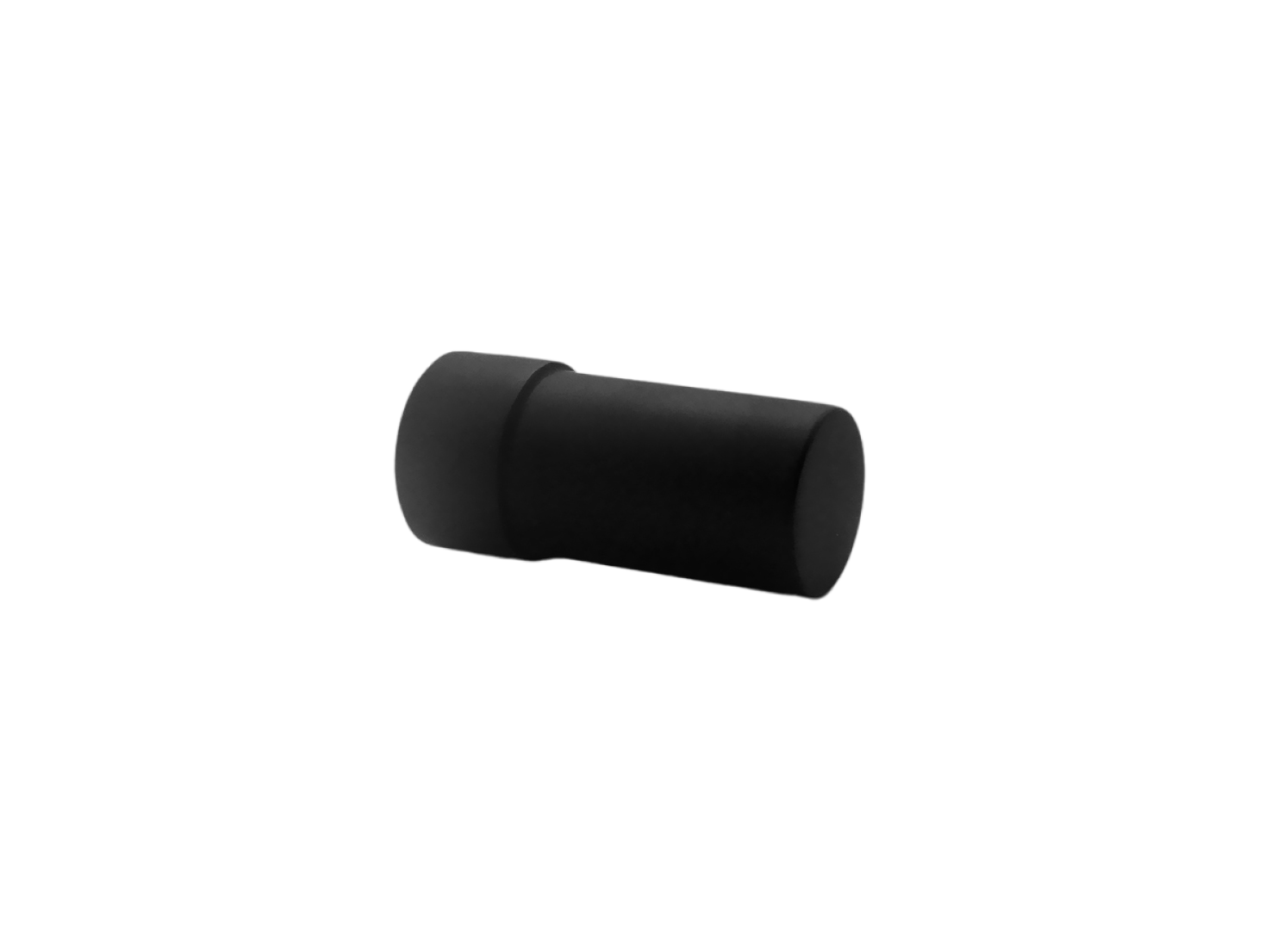
External Drone Antenna | HY-A602-E
    External Drone Antenna | HY-A602-E
    Features
    1716286100756150.png
    Small phase center error, high measurement accuracy
    High gain, wide beam pattern, excellent signal reception performance
    1715763558326716.png
    Small size, light weight, low power consumption, and more convenient to use
    Wide application range, fast switching and operation


    9B內(nèi)頁(yè)圖文1200.png
    Specification parameters
    Technical Specifications
    Accessories List
    Structural Dimensions

    GNSS Antenna Performance Specifications

    Frequency Range

    Receiving Frequency Points


    Impedance

    Antenna Axial Ratio

    Horizontal Coverage Angle

    Output VSWR

    Peak Gain

    Phase Center Error

    Noise Figure

    In-band Flatness

    Active Gain

    Operating Voltage

    Operating Current

    1207~1278MHz & 1559~1605MHz

    BDS: B1 ,B2, B3

    GPS: L1 , L2

    GLONASS: G1, G2

    50Ω

    ≤3dB

    360°

    ≤2

    3dBi

    ±2mm

    ≤2dB

    ±2dB

    35±2dB

    3~5V

    ≤20mA

    Structural Characteristics

    Antenna Weight

    Antenna Size

    Connector Type

    ≤25g

    57*Φ28mm

    Reliability

     Operating Temperature

    Storage Temperature

    Operating Humidity

    -40℃∽+70℃

    -45℃∽+70℃

    95%(Non?condensing)

    Application Scenarios
    無(wú)人機(jī)行業(yè)應(yīng)用1920.700.png
    In large-scale light shows and theme park performances, hundreds to thousands of drones are required to perform complex formation movements synchronously, which demands extremely high communication latency and anti-interference capabilities. With anti-interference antennas integrated with time-division duplex, cognitive radio or distributed ad-hoc network technologies, interference from temporary wireless devices (such as audience mobile phones and stage lighting control equipment) can be dynamically avoided, ensuring millisecond-level command transmission.
    Learn more
    無(wú)人機(jī)行業(yè)應(yīng)用2 .png
    For drone aerial photography, stable transmission of high-definition video and accurate reception of control commands are required. Anti-interference antennas, through adaptive beamforming, multi-antenna or frequency hopping technologies, effectively suppress interferences such as multipath reflection and spectrum congestion, ensuring smooth and uninterrupted video transmission as well as flight safety.
    Learn more
    Performance UAV
    Aerial Photography Drone

    Online Message
    Name
    Phone
    Company
    Business requirements
    Send